Benefits of Acrylic Painting : Acrylic vs Oil vs Watercolor Guide
Hey master painter! Trying to decide which type of paint is best to start with? Well you’re in the right place. With so many options, from Watercolor to Oil, why should a master painter such as yourself decide to go with acrylic paint? Look no further, if you’re deciding which type of paint to use, acrylic paint is often the best place to start—especially for beginners. It combines the flexibility of watercolor with the richness of oil paint, while avoiding many of their downsides – making acrylic painting benefits the best option for absolute master painter beginners.
What Makes Acrylic Paint Unique?
The first bennefit of acrylic painting is that it is a fast-drying, water-based medium that can be used in many different ways. It’s known for its versatility, making it ideal for beginners and experienced artists alike.
What sets acrylics apart is their ability to:
- Dry quickly
- Work on multiple surfaces
- Mimic other painting styles
- Uses water – to mix and clean!
With this kind of flexibility, it’s no wonder why acrylic paint is often recommended as the best starting point for painters alike.
The Key Benefits of Acrylic Paint
Let’s explore even more benefits of acrylic paint.
1. Fast Drying Time
One of the biggest benefits of acrylic paint is how quickly it dries.
Why this matters:
- You can add layers without long waiting periods
- Mistakes can be corrected quickly, just paint over it and you’re done!
- Projects can be completed faster
Unlike oil paint, which can take many days to dry, acrylics are ready for the next layer in a matter of minutes – oh the benefits of acrylic painting!
2. Easy Cleanup
Acrylic paint is water-based, so cleaning up is simple and hassle-free.
Cleanup advantages:
- Brushes can be rinsed with water
- There is no need for harsh chemicals or solvents
- Less mess overall
This makes acrylic painting more convenient and beginner friendly.
3. Versatility in Techniques
Acrylics can mimic both watercolor and oil painting styles depending on how you use them – making it very beneficial.
You can:
- Thin acrylics with water for a watercolor effect
- Use thick paint for textured, oil-like effects
- Apply various techniques like blending, layering, and dry brushing to add versatility
This allows you to experiment and discover your own wonderfully unique style without having to use a lot of different painting mediums.
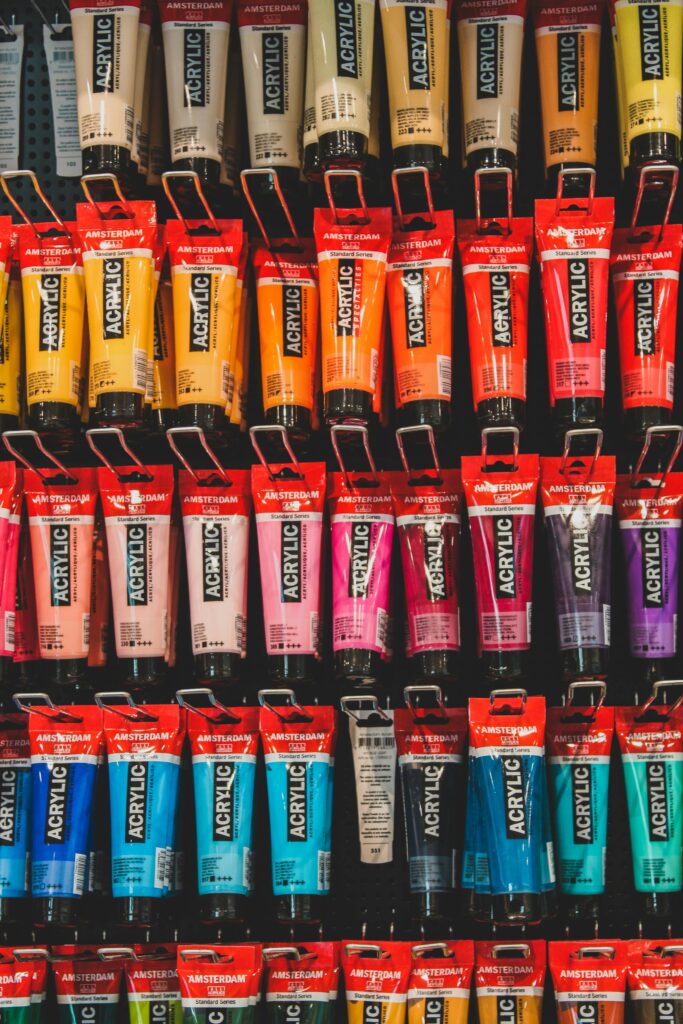
4. Strong, Vibrant Colors
Acrylic paints are known for their bold and lasting colors.
Benefits include:
- Colors remain vibrant after drying
- Good coverage with less paint
- Ability to layer without muddying colors
This helps your artwork stand out with clean, crisp color.
5. Works on Many Surfaces
Unlike some other paints, acrylics can be used on a wide variety of surfaces.
Common surfaces:
- Canvas
- Paper
- Wood
- Fabric
This makes acrylics great for both traditional and creative painting projects.
Acrylic vs Oil Paint
Oil paint has been used for centuries by the masters and is famously known for its rich, smooth finish. However, it comes with some drawbacks—especially for beginners.
Advantages of Acrylic Over Oil Paint
Acrylic paint is best because:
- Dries much faster (minutes vs days)
- Requires no toxic solvents
- Easier cleanup with water
- More beginner-friendly
When Oil Paint Might Be Better
Oil paint does have strengths.
Oil paint advantages:
- Longer drying time allows extended blending
- Smoother transitions between colors
- Traditional classic paint choice of the master painters
However, the slow drying time and need for chemicals and solvents can make oil painting less practical for beginners.

Acrylic vs Watercolor Paint
Watercolor is another popular medium, known for its light, transparent look. While very beautiful, it behaves differently from acrylic paint.
Advantages of Acrylic Over Watercolor
Acrylic paint is best because:
- More forgiving (mistakes can be painted over)
- Stronger, more opaque colors
- Greater control over details
- Works on a variety of surfaces
When Watercolor Might Be Better
Watercolor excels in certain areas.
Watercolor advantages:
- Soft, delicate effects
- Lightweight and portable
- Unique transparency
However, watercolor can be harder to control and less forgiving for beginners.

So, when is Acrylic Paint the Best Choice?
Acrylic paint is ideal if you want a variety of balance, control, flexibility, and ease of use. By keeping drying times down, offering a variety of styles to experiment with, and easy water-based cleanup time, acrylic paints are the best choice as a beginner painter – truly a versatile all-purpose medium.
Acrylics give you the freedom to explore with wonder and imagination without many of the limitations found in other paints.
Potential Downsides of Acrylic Paint
While acrylics are highly versatile, they’re not perfect.
Things to consider:
- Fast drying can make blending harder
- Colors may dry slightly darker
- Requires quick work for certain techniques
The good news is that these challenges can be managed with practice and simple techniques. And considering you are a master painter, you are well on your way to mastering these acrylic painting techniques.
TL;DR (Quick Summary)
- Acrylic paint is versatile, beginner-friendly, and fast-drying medium.
- It offers easy cleanup and works on many surfaces.
- Compared to oil paint: acrylics are faster, safer, and easier to use.
- Compared to watercolor: acrylics are more forgiving and vibrant.
- Acrylics are ideal for beginners and artists who want flexibility.
- The main drawback is fast drying—but it’s manageable with practice.
Acrylic painting offers the perfect balance between ease of use and creative potential. Whether you’re just starting out or exploring new techniques, acrylics provide a flexible and rewarding way to bring your unique ideas to life.