Ideas for Acrylic Painting – From Idea to Sketching to Painting
Hey master artist! Now that we’ve covered some acrylic painting basics, it’s time to move on to the fun part, discovering your next wonderful masterpiece, aka finiding ideas for your new acrylic painting!
Now, I know what you are thinking. How do I possible go from a blank canvas to a masterpiece – easy, one brushstroke at a time.
But for beginner artists, to keep thing fun and simple, the first step is to go from idea to sketching to painting. A fun tried and true process to get you from staring at a blank page to painting a national treasure.
Let’s begin.
Ideas for Acrylic Painting – Starting with an Idea
Starting with a strong concept is the foundation of successful acrylic painting. If you’re unsure what to paint, look to everyday inspiration—nature, objects around your home, or even photos on your phone can spark ideas.
Beginners often benefit from choosing simple acrylic painting subjects like sunsets, flowers, or abstract color blends, which allow you to focus on technique without feeling overwhelmed.
Think about color combinations/color palette and mood rather than complex details, and don’t hesitate to browse reference images to guide your creativity. The key is to pick an idea that feels achievable while still exciting, making your first acrylic painting experience enjoyable and motivating.
How to Come Up with an Idea for Acrylic Painting
- Look for inspiration in:
- Nature (sunsets, flowers, landscapes)
- Everyday objects
- Photos or online references
- Choose simple acrylic painting ideas to avoid overwhelm
- Focus on:
- Color combinations
- Mood and feeling rather than detail
- Pick something achievable and enjoyable to stay motivated
- Write what inspires you about your painting idea/subject
- Keep your first acrylic painting projects simple and fun
Now that we got some inspiration, it’s time to move on to the sketch.
Ideas for Acrylic Painting –Sketching on Canvas
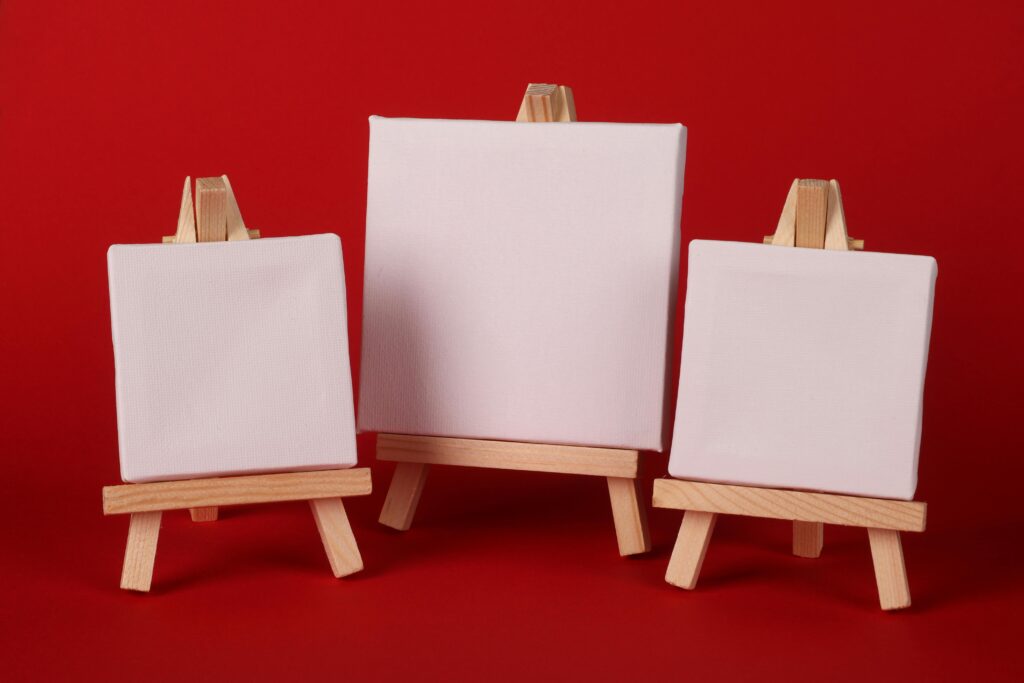
Once you have your idea, the next step in acrylic painting for beginners is transferring it onto the canvas. Start with a light sketch using a pencil or a thinned neutral paint color so your lines don’t show through the final piece.
Focus on basic shapes and proportions rather than fine details—this keeps your composition clean and manageable. For example, in a simple acrylic painting, break your subject into circles, squares, and lines to map out placement and balance.
Keep your sketch loose and flexible, as acrylic painting allows for easy adjustments during the painting process. A well-planned sketch acts as a roadmap, helping you paint with more confidence.
How to Sketch Your Idea on Canvas
- Use a pencil or lightly thinned paint for sketching
- Draw basic shapes (circles, squares, lines) first
- Focus on:
- Composition
- Proportions
- Keep lines light so they don’t show through paint
- Stay flexible—adjust as needed during the acrylic painting for beginners process
Think of your sketch as a guide, and not a final drawing.
Now for the most magical part of all, painting!
Ideas for Acrylic Painting – Painting Practice
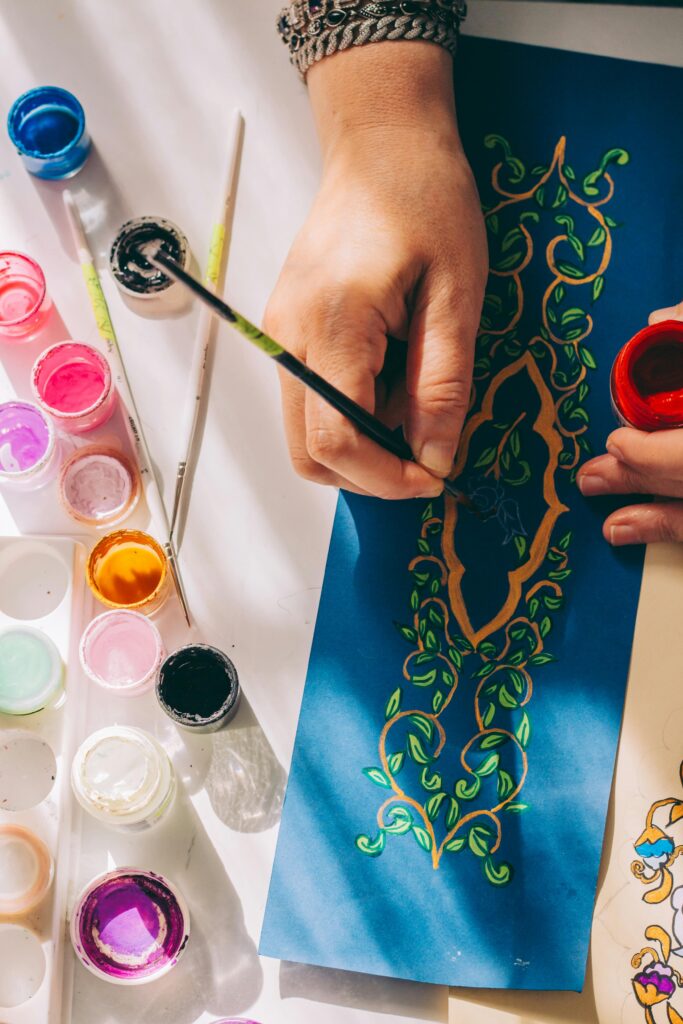
Painting is where your idea truly comes to life, and mastering this stage is essential for anyone exploring acrylic painting. Begin by blocking in large areas of color using broad brushstrokes, starting with the background and working your way forward.
Acrylic paint dries quickly, making it ideal for layering—build depth gradually by adding darker and lighter tones. For a simple acrylic painting, focus on blending basic colors and adding highlights rather than striving for perfection. As you gain confidence, refine details and techniques to enhance your work. With practice, your acrylic painting skills will improve, and each piece will feel more natural and expressive.
How to Paint Your Idea with Acrylics
- Start with large areas of color (background first)
- Use broad brushstrokes in early stages
- Build layers gradually (acrylics dry fast)
- Add:
- Shadows (darker tones)
- Highlights (lighter tones)
- Keep it simple—don’t aim for perfection in a simple acrylic painting
- Refine details at the end for depth and texture
- Practice consistently to improve your acrylic painting skills
Practice Ideas for Beginners
The best way to improve is to practice! Try practicing each technique using some of the sample exercises.
Try these ideas:
- Set out a bowl of fruit, and paint what you see – this is called a still life
- Pick an object in your home (lamp, phone, glass, etc.) and begin painting
- Choose a nature image (or take one from nature yourself) and paint
- Choose your favorite selfie and paint a self-portrait
Pro tip: Keep the focus on fun! Don’t set limits on what you can and cannot accomplish but focus on all the small ways you are steadily improving in your painting adventure. And before you know it you are indeed a master artist. Now go forth, and paint!
TL;DR
- Start with a simple, clear idea inspired by everyday life
- Sketch basic shapes lightly onto your canvas
- Paint in layers, starting broad and adding detail gradually
- Focus on simplicity and practice to improve your acrylic painting for beginners skills